EnglishΕλληνικά
Autonomous surface vessel for maritime surveillance and search-and-rescue support
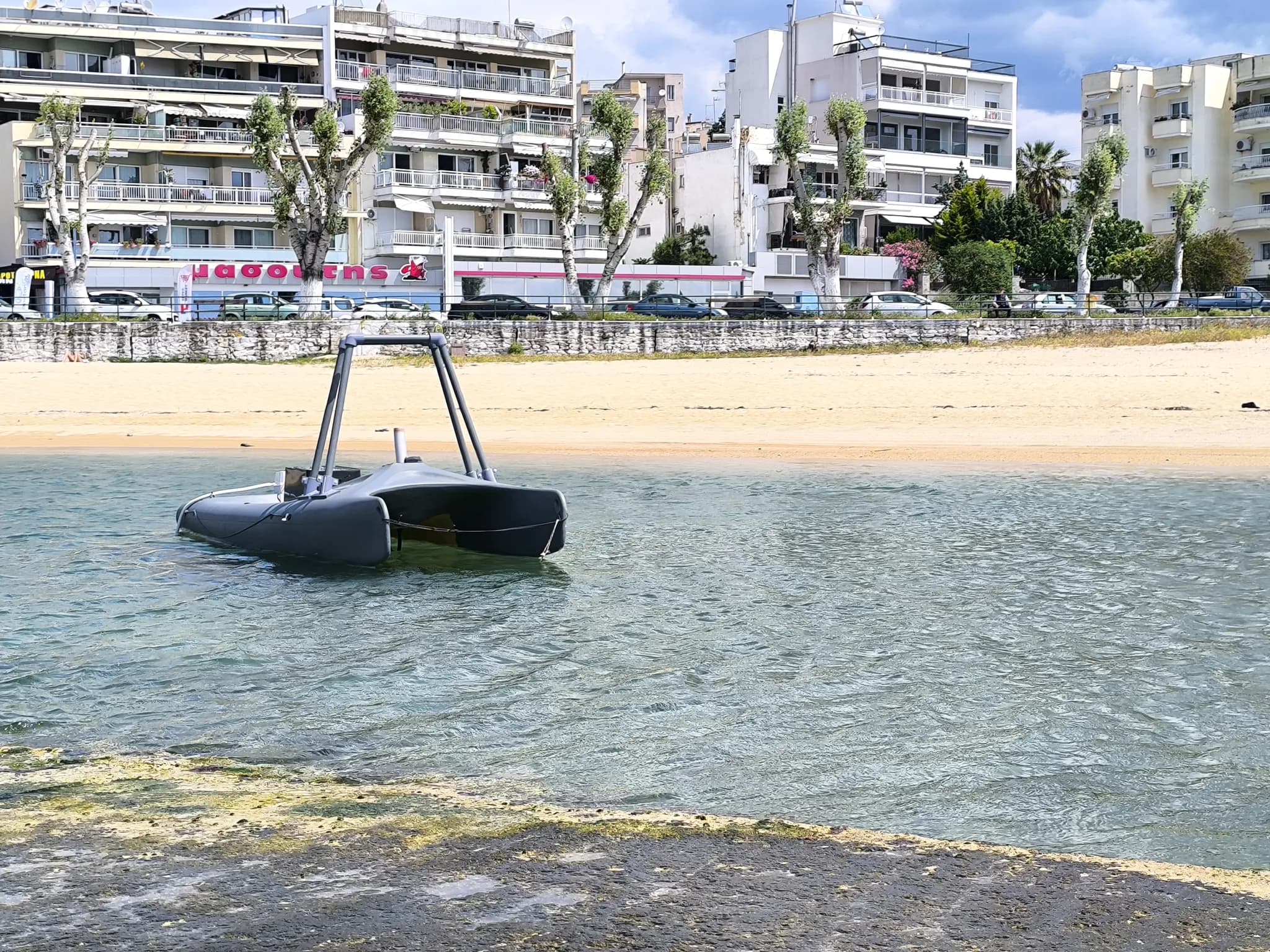
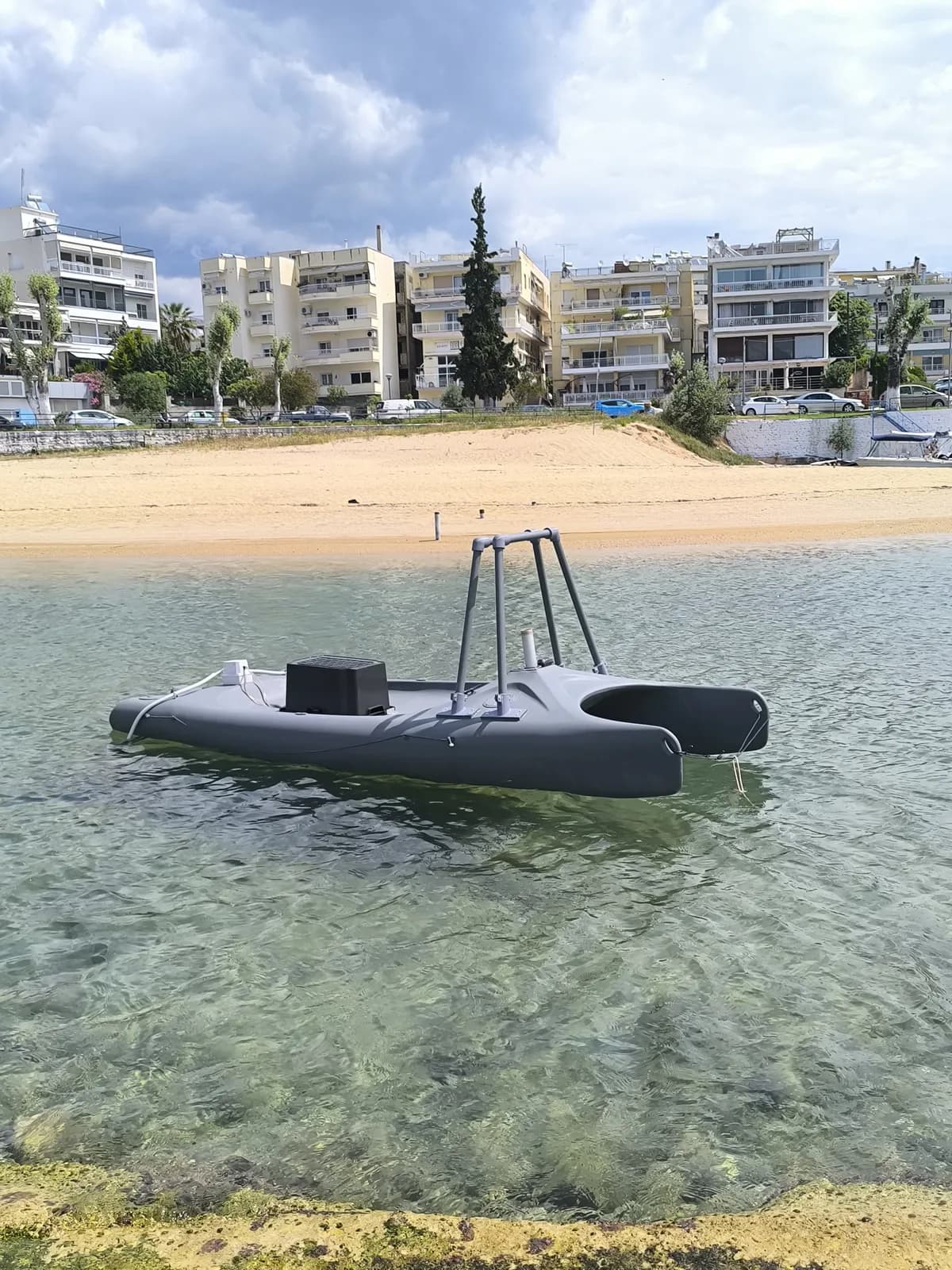
Argus is an autonomous surface vessel being developed for long-range maritime surveillance and search-and-rescue support. Its radar, visible-light camera, and thermal camera feed a shared onboard navigation system that builds an understanding of the vessel's surroundings, allowing it to complete missions with minimal operator involvement.
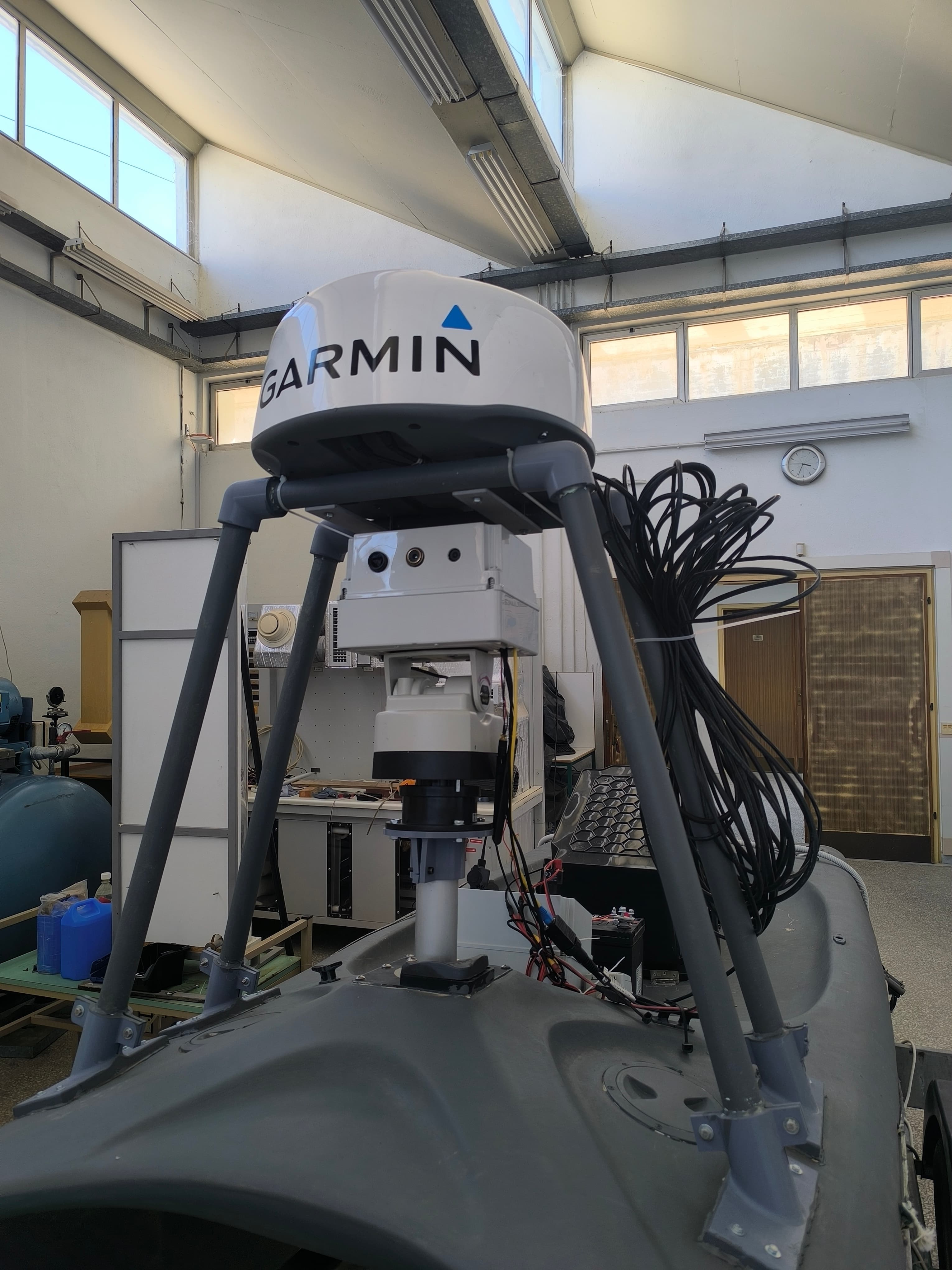
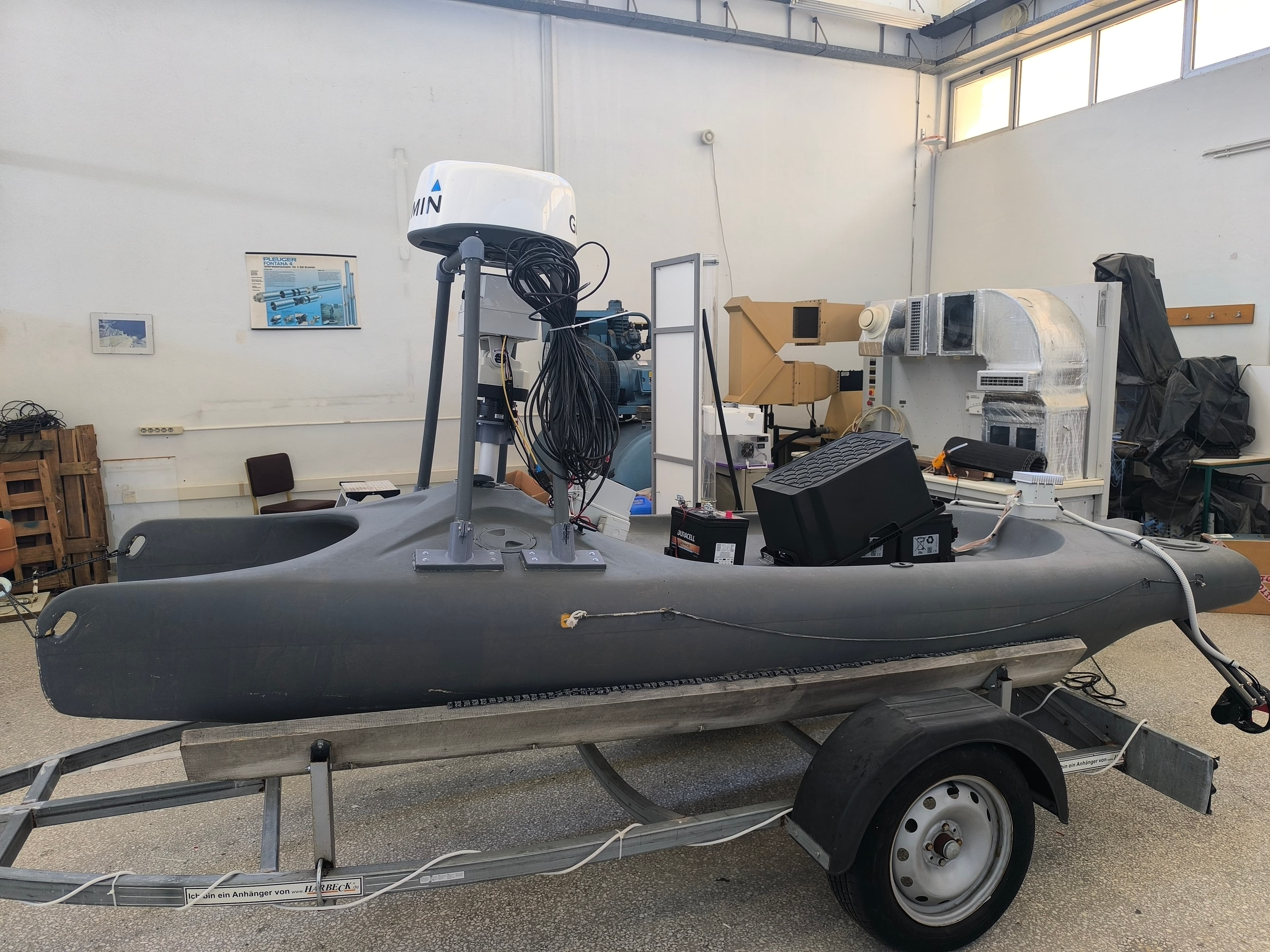
An onboard Garmin radar monitors the surrounding sea out to 36 nautical miles (about 67 km). It identifies land and tracks vessels from their radar returns, estimating their direction, speed, and approximate size. This gives Argus a broad view of the area beyond the range of its cameras.
The onboard camera identifies relevant objects around the vessel, including boats, people, shorelines, and obstacles. A thermal camera adds the ability to find heat signatures, such as people or operating boat engines, in darkness and low-visibility conditions. Together, these sensors provide useful context when ordinary camera imagery is limited by fog or smoke.
Argus combines its radar and camera observations into a single navigation system. It uses the sensors that are available to plan routes and avoid hazards; if GPS becomes unavailable, it can continue estimating its position from what it sees until satellite positioning is available again.
A bidirectional LoRa link supports mission updates, telemetry, and detections over distances of up to 80 km in suitable line-of-sight conditions. An operator can send waypoint missions, monitor Argus remotely, or take manual control when needed.
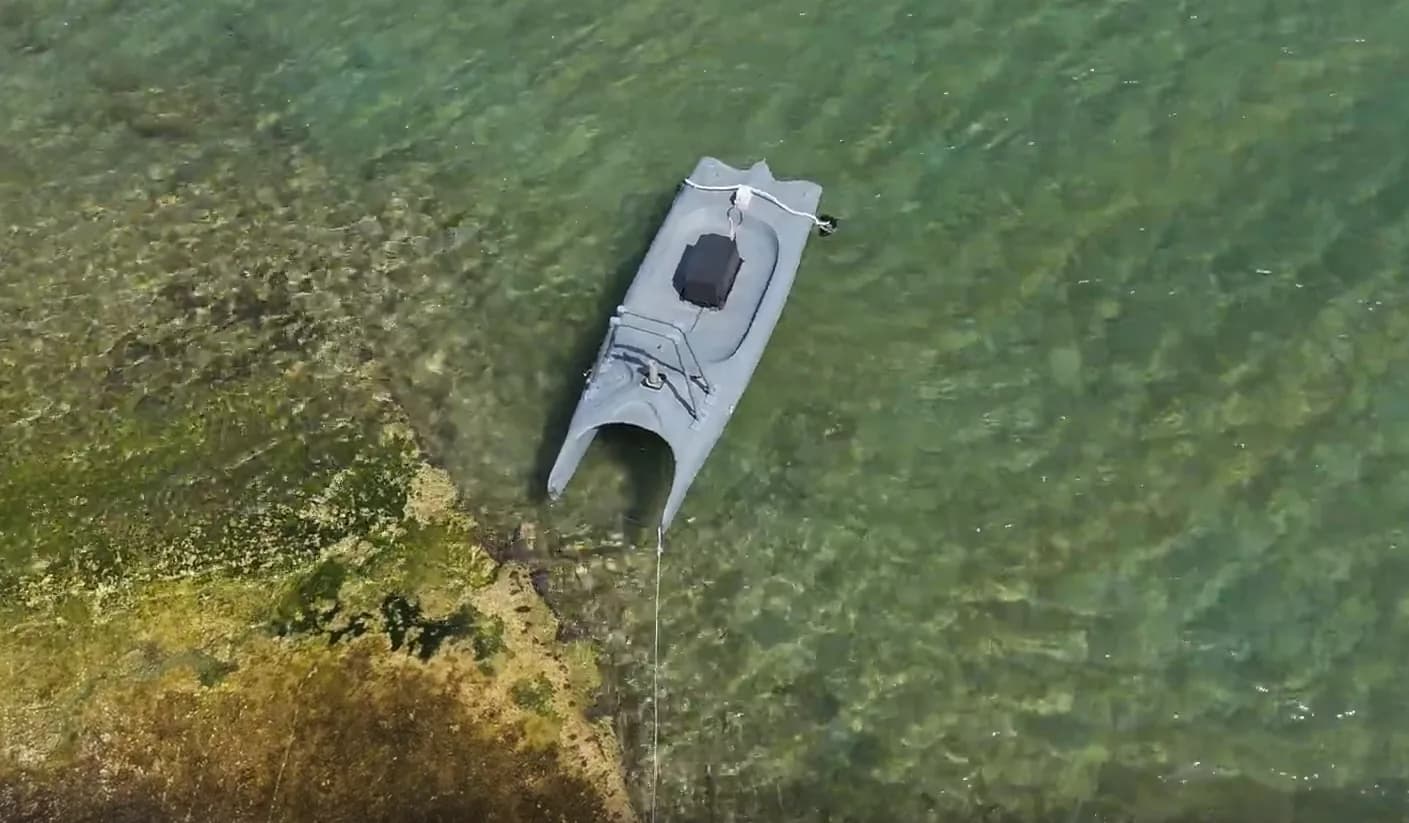
The roughly three-metre catamaran hull is designed for stability on the water and resistance to capsizing. Two high-power brushless motors provide propulsion and manoeuvrability while the vessel continues through its mission.
Propulsion comes from a pair of 7070 110kV brushless motors in a differential-thrust arrangement, at 4.3 kW per motor (8.6 kW total). They are fed by a 4x 12V 70Ah battery bank, giving a high-capacity ~48V supply for long on-water endurance while steering through thrust differences instead of a rudder.